
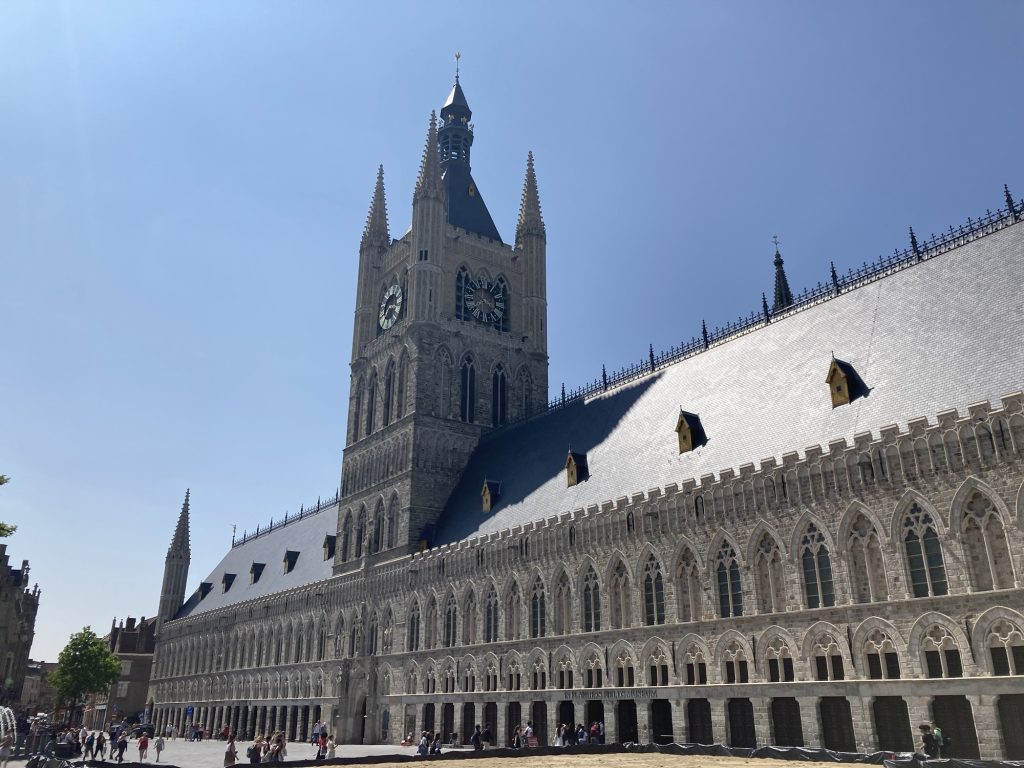
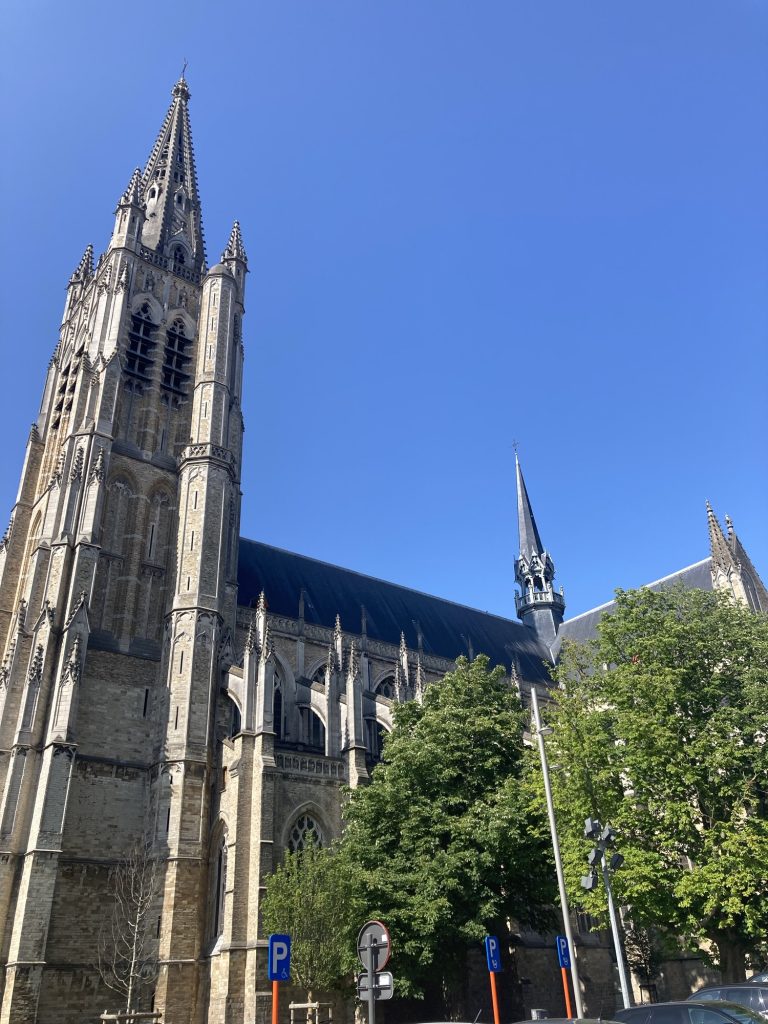
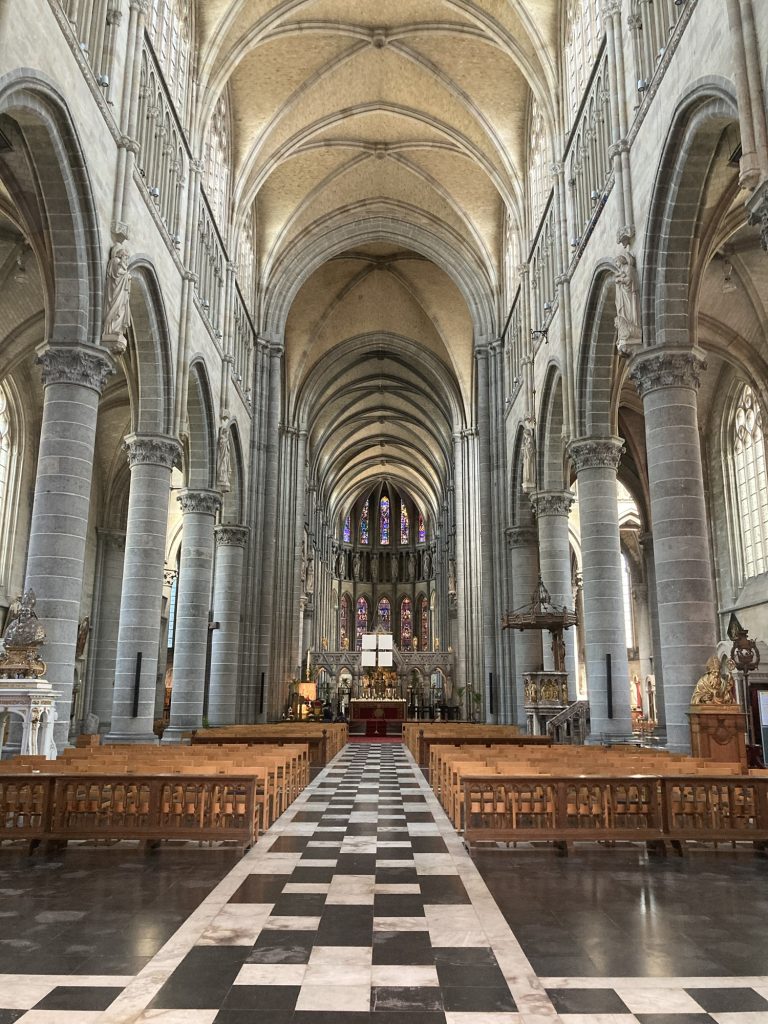
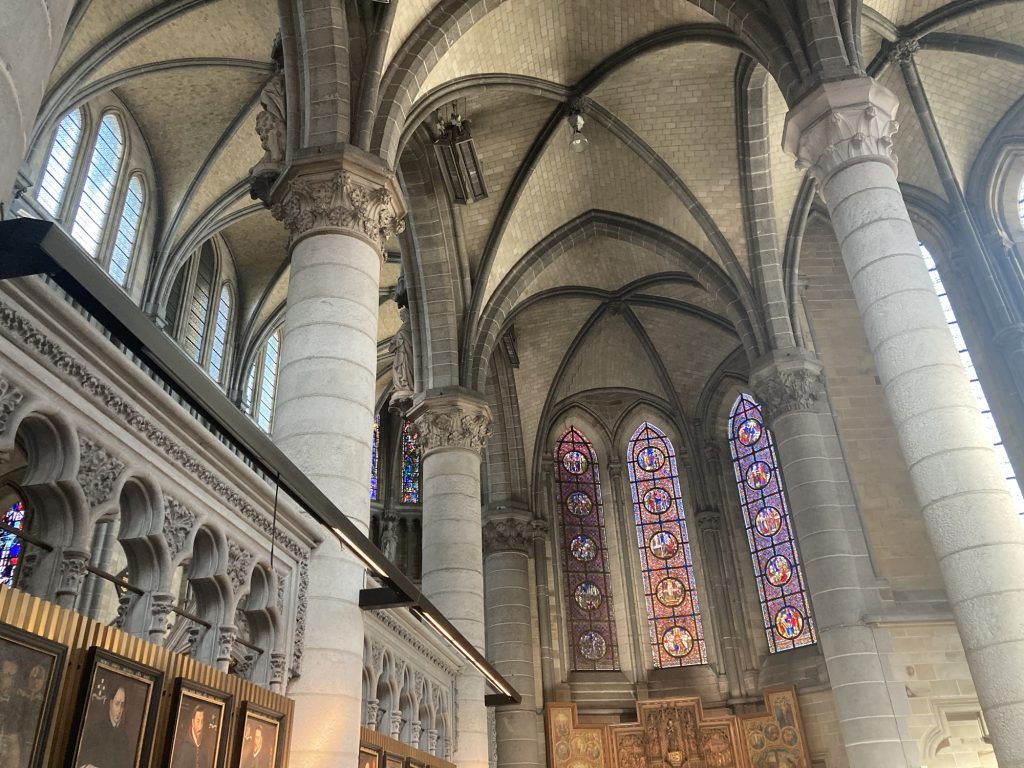
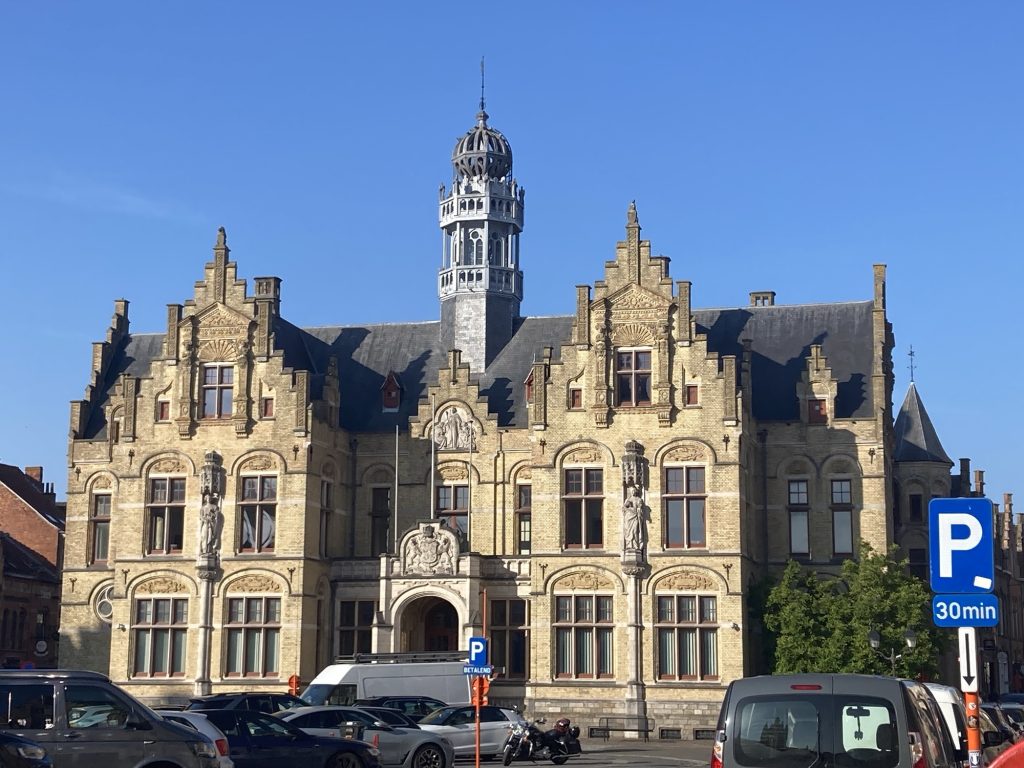
On Wednesday, the students had the afternoon off from classes for us to do a field trip to Ypres (in French)/Ieper (in Dutch), Belgium. This region was really a central battle point during World War I and has several sites, monuments and museums dedicated to that.
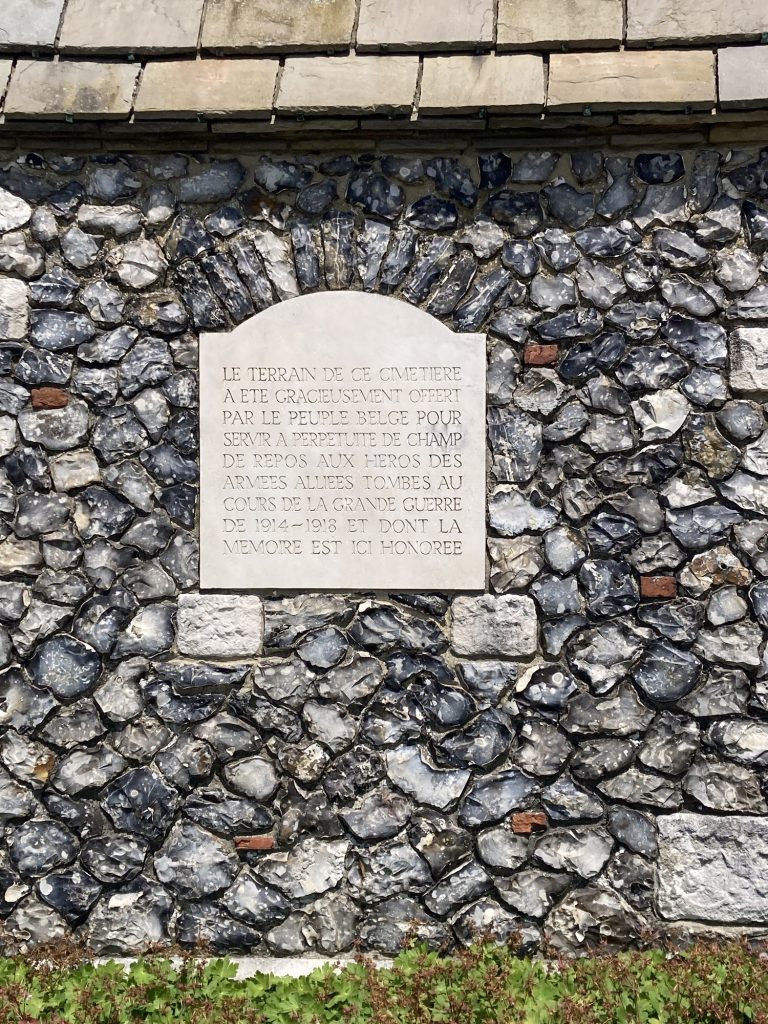
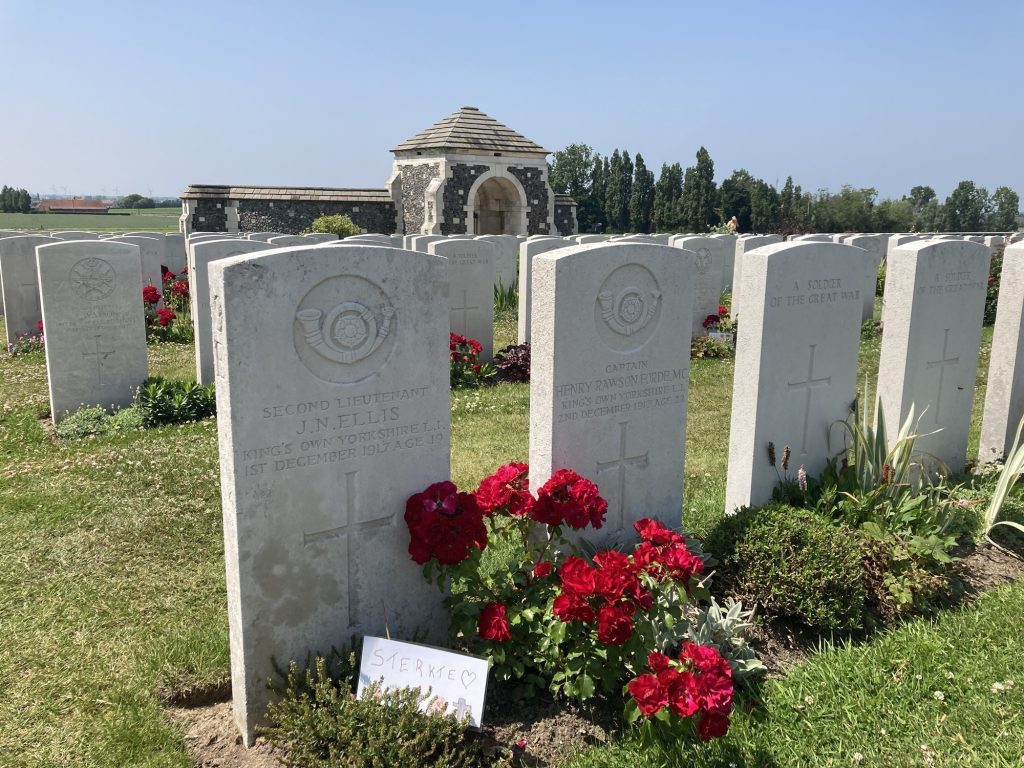
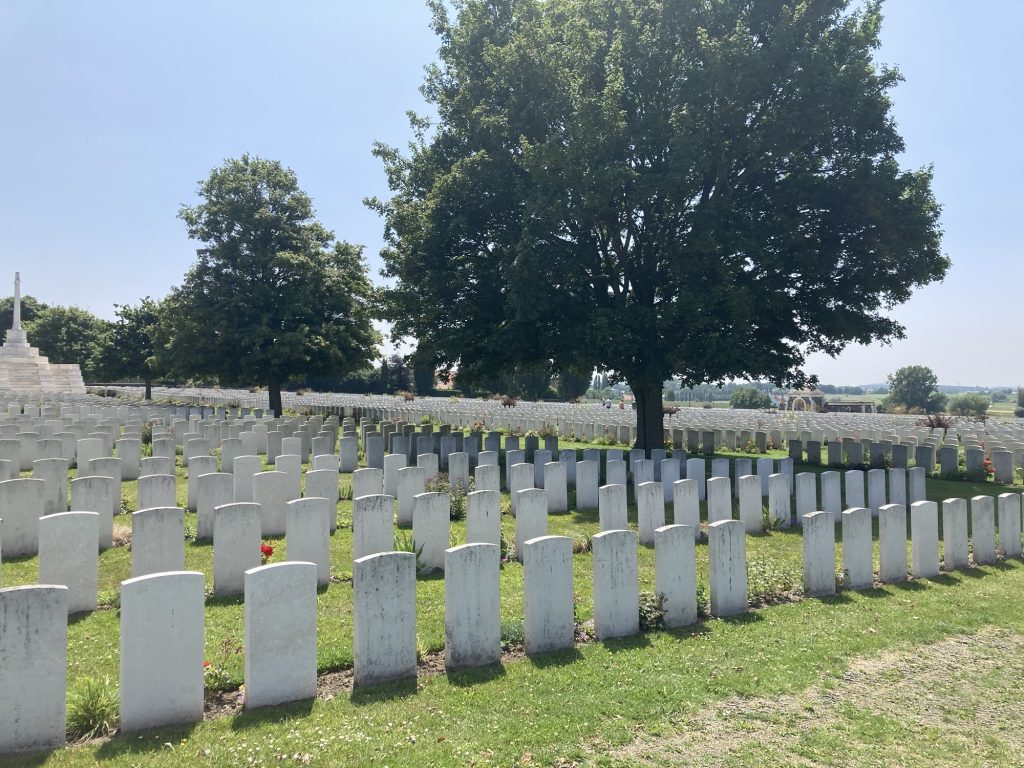
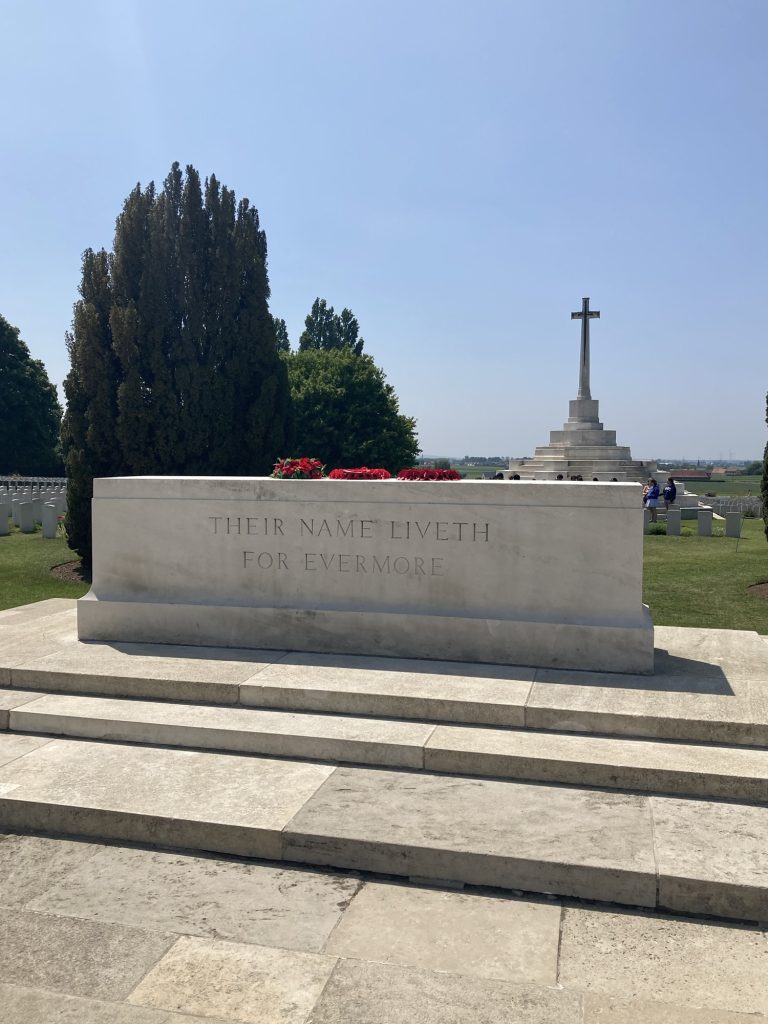
Our first stop was Tyne Cot cemetery, which is the largest Commonwealth cemetery with almost 12,000 graves. Along with British, Australian, New Zealand and Canadian soldiers, there are a few German soldiers who were buried here because this is where they died. What’s more shocking is of the almost 12,000 graves about 8,000 of them are unnamed because they were never able to identify the remains.
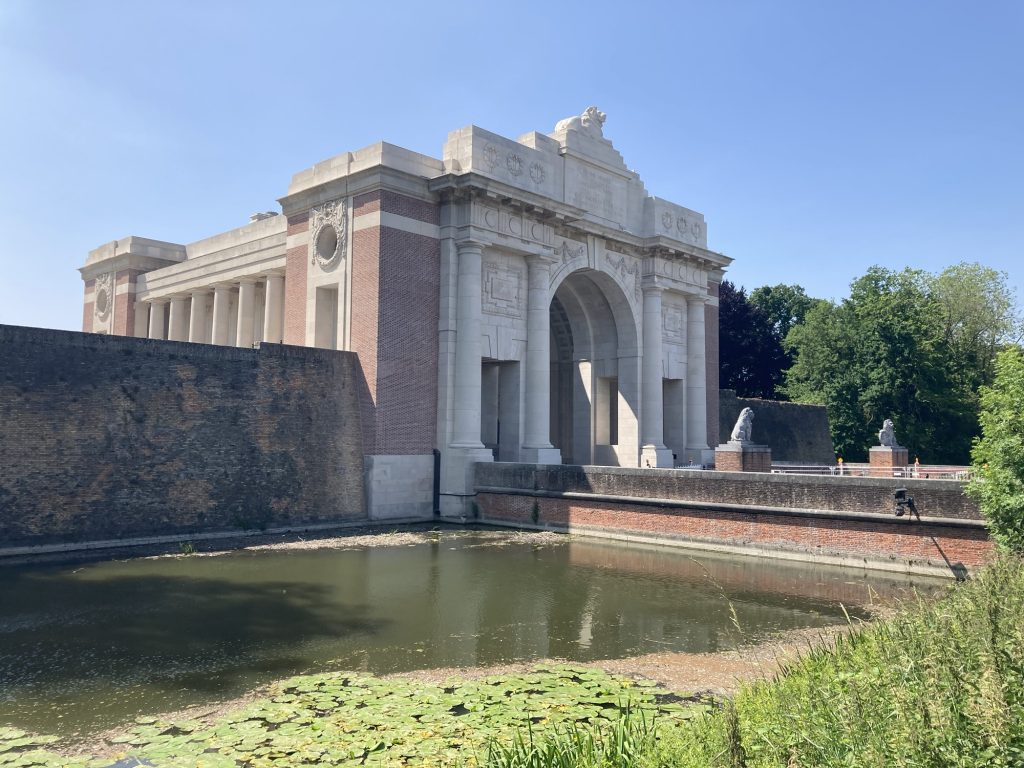
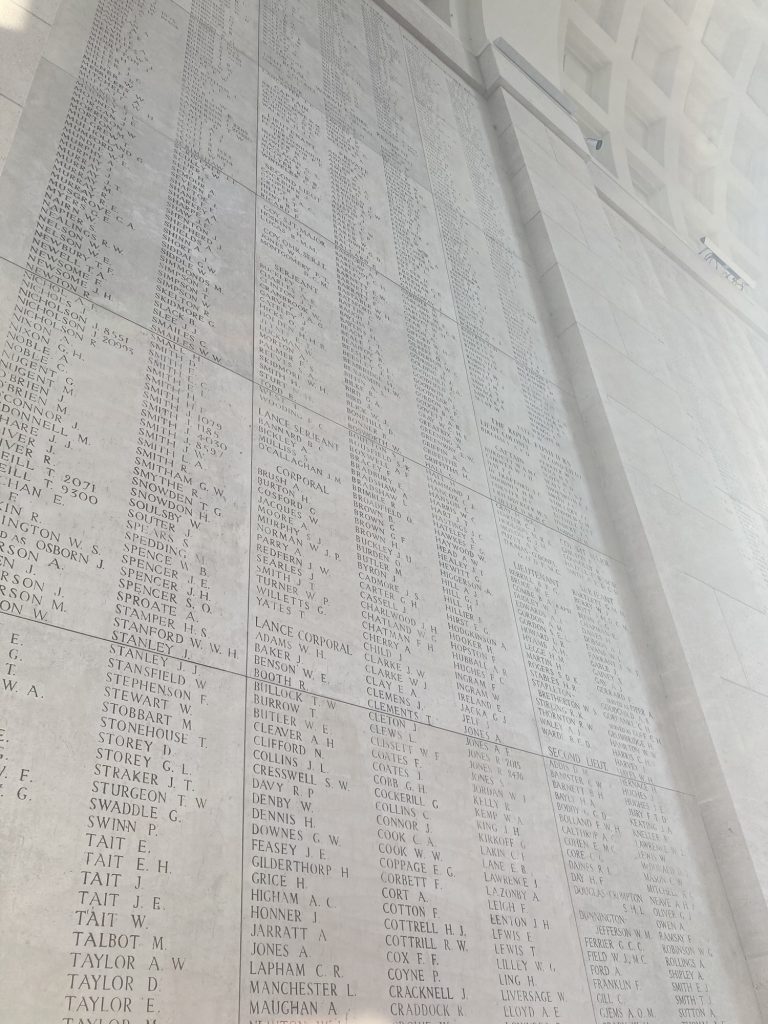
After dinner, we headed to the Menin Gate to watch the Last Post ceremony. The Menin Gate is inscribed with the names of over 50,000 Commonwealth and British soldiers who died in World War I and whose remains were never found. Each night since 1928 (except for World War II when they moved the ceremony to another location due to the German occupation) at 8:00pm they have a ceremony called the Last Post. During the ceremony, there is a bugle call, the reading of a few lines from the poem ‘For the Fallen’ (see below), 1 minute of silence, laying of wreaths (by various groups) and then the bugle call once again. These are the lines of the poem they used:
They shall grow not old, as we that are left grow old:
Age shall not weary them, nor the years condemn.
At the going down of the sun and in the morning
We will remember them.
(Then the crowd repeats: We will remember them)
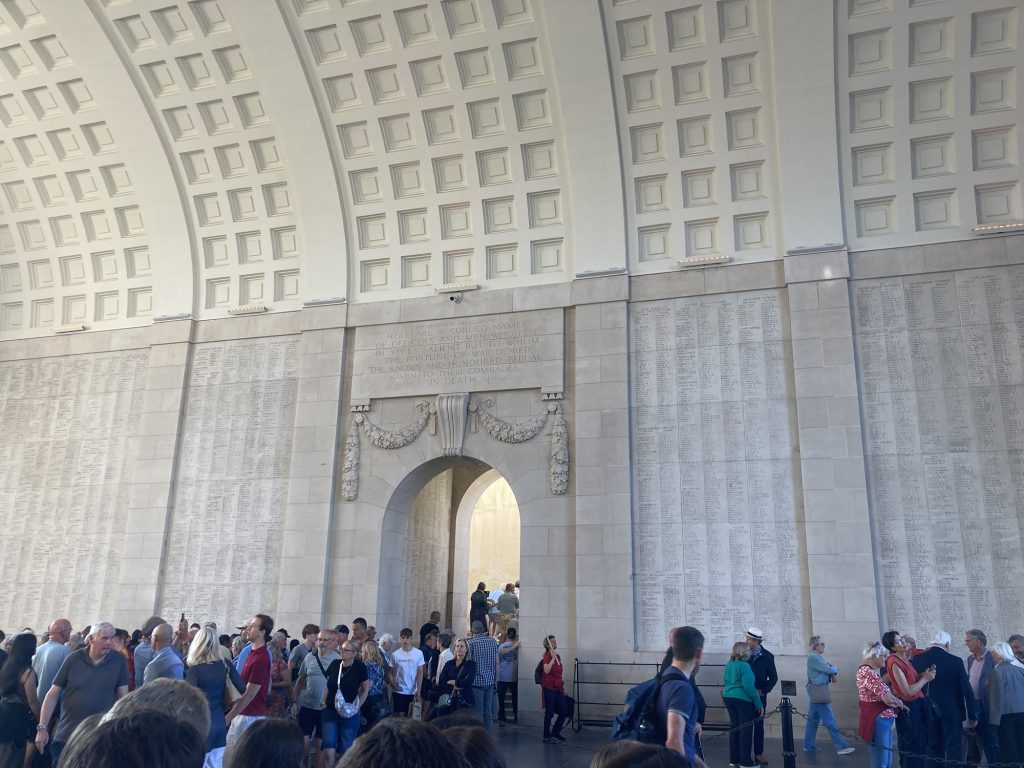
It was a really moving ceremony and I was glad I got to see it. Overall, a nice day of remembering the sacrifices of those who came before us.